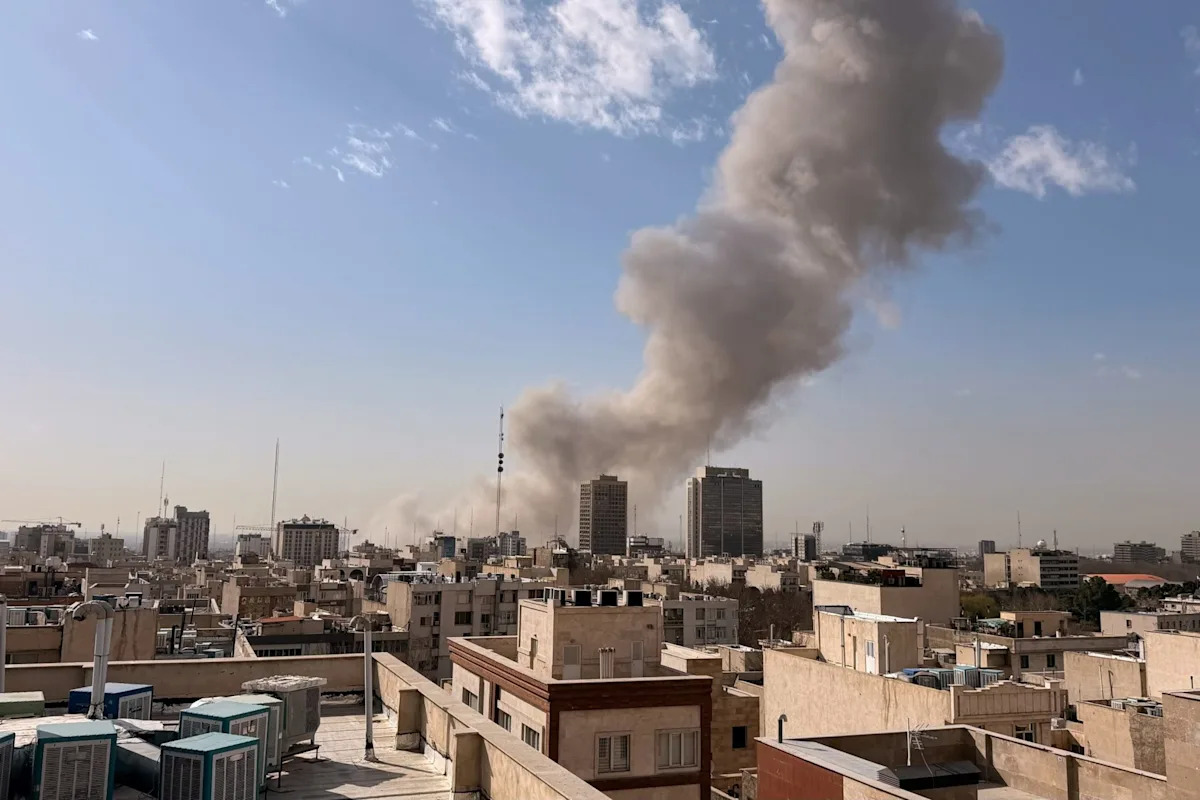
The geopolitical landscape of the Middle East is in a constant state of flux, a reality underscored by a recent and profoundly insightful warning from the Pentagon. Signaling a long-term strategic perspective, the U.S. defense establishment has indicated that any engagement concerning Iran is likely to be a prolonged operation. Crucially, this comes with the nuanced assertion that while it is "not a war of regime change, but the regime has changed." This statement reverberates across the region, especially impacting the complex dynamic that fuels much of the global interest in Iran's Future: Analyzing the Pentagon's Warning and Mideast Impact and the ever-present flow of noticias israel irán.
This declaration from the Pentagon isn't merely a strategic forecast; it’s a redefinition of engagement, acknowledging significant internal shifts within Iran. It moves beyond the traditional binary of war or peace, regime overthrow or status quo, into a realm of protracted influence operations, strategic containment, and an implicit recognition of profound, albeit not externally imposed, transformations within the Islamic Republic. Understanding this intricate position is key to interpreting the evolving security landscape and the implications for major regional players, including Israel, and global powers.
The Pentagon's Nuanced Stance: Beyond Traditional Warfare
The core of the Pentagon's warning lies in its delicate wording: "It's not a war of regime change, but the regime has changed." This phrase signals a departure from past foreign policy doctrines that often explicitly aimed at the overthrow of adversarial governments. Instead, it suggests a recognition of organic, internal shifts within Iran that have fundamentally altered its operational capacity, internal cohesion, or regional behavior. These changes could be driven by a multitude of factors, ranging from economic pressures and widespread internal dissent to leadership transitions and evolving ideological alignments within the ruling elite.
A "prolonged operation" in this context is unlikely to mean a large-scale military invasion. Rather, it points towards a multi-faceted, long-term strategy encompassing:
- Economic Sanctions: Continued and potentially intensified economic pressure to limit Iran's financial resources for its nuclear program and regional proxies.
- Diplomatic Containment: Efforts to isolate Iran diplomatically and build international consensus against its destabilizing activities.
- Deterrence and Presence: Maintaining a robust military presence in the region to deter aggression and reassure allies.
- Cyber Operations: Engaging in clandestine cyber activities to disrupt Iranian capabilities or gather intelligence.
- Support for Internal Opposition: While not advocating for overthrow, indirectly supporting elements within Iran seeking reform or change through non-military means.
- Targeted Interdictions: Covert or overt actions to interdict arms shipments or disrupt proxy networks.
This strategic patience reflects a lesson learned from past interventions, emphasizing that lasting change is often more effectively achieved through internal evolution rather than external imposition. For those following noticias israel irán, this means a shift from expecting immediate military confrontation to understanding a more intricate, enduring contest of wills and influence.
Redefining "Regime Change": Internal Pressures and External Realities
What does it mean for a regime to have "changed" without being overthrown? This profound observation by the Pentagon speaks to a sophisticated understanding of political dynamics. It suggests that the Iranian regime, while outwardly maintaining its structure, may have undergone significant internal transformations, making it a different entity than it was previously. These shifts could manifest as:
- Weakened Authority: Persistent public protests and economic hardship may have eroded the regime's legitimacy and control, making it less monolithic or capable of unified action.
- Leadership Succession Dynamics: The eventual passing of key figures, such as Supreme Leader Ali Khamenei, introduces inherent uncertainty and potential power struggles that could fundamentally alter the regime's direction.
- Generational Divide: A significant portion of Iran's population is young, often disaffected, and yearning for greater freedoms, creating an internal pressure cooker that the regime constantly struggles to manage.
- Shifting Priorities: The immense pressure from sanctions and internal discontent might force the regime to recalibrate its regional ambitions or domestic policies.
From the perspective of noticias israel irán, these internal shifts within Iran are critical. A weakened or internally divided Iran might be perceived differently by Israel—perhaps as less predictable and therefore more dangerous, or conversely, as more susceptible to internal collapse, which presents its own set of regional challenges. The interplay between Iran's internal state and its external posture forms the bedrock of regional security concerns.
A Reconfigured Middle East: The Regional Chessboard
The warning of a prolonged operation and the acknowledgment of internal regime shifts dramatically reconfigure the geopolitical chessboard in the Middle East. This strategic outlook directly impacts the calculus of every major regional player, especially Israel, whose security is inextricably linked to developments in Iran. The reference to "the offensive reconfigures the tablero en Medio Oriente" highlights this dynamic, as every move, whether economic, diplomatic, or military, shifts the regional balance of power.
Israel's security concerns regarding Iran are multifaceted and deeply rooted. They primarily revolve around:
- Iran's Nuclear Program: The persistent fear that Iran is covertly pursuing nuclear weapons capabilities, which Israel views as an existential threat.
- Ballistic Missile Development: Iran's advanced and expanding arsenal of ballistic missiles, capable of reaching Israeli territory.
- Proxy Networks: Iran's extensive support for groups like Hezbollah in Lebanon, Hamas in Gaza, and various militias in Syria and Iraq, which create a "ring of fire" around Israel.
- Regional Hegemony: Iran's broader ambition to project power and influence across the Middle East, challenging the traditional regional order.
The "prolonged operation" scenario means Israel cannot expect a quick resolution. Instead, it must prepare for a sustained period of vigilance, deterrence, and potentially, preemptive actions against Iranian assets or proxies. This ongoing tension is often the focus of the latest noticias israel irán, detailing intelligence operations, air strikes against Iranian-backed targets in Syria, and diplomatic sparring.
Israel's Perspective: Vigilance and Deterrence
For Israel, the Pentagon's assessment reinforces a long-held view of Iran as a persistent, evolving threat. Israel's strategy typically involves a combination of:
- Robust Deterrence: Maintaining a superior military capability to dissuade direct attacks.
- Proactive Defense: Taking preemptive action against threats, particularly in Syria, to disrupt Iranian arms transfers and missile development.
- Intelligence Gathering: Intensive efforts to monitor Iran's nuclear program and regional activities.
- International Alliance Building: Strengthening ties with regional partners, such as Saudi Arabia and the UAE, and maintaining strong relations with the United States.
The challenge for Israel under a "prolonged operation" paradigm is balancing its security imperatives with avoiding escalation. Each incident, whether a cyberattack, a naval encounter, or an airstrike, carries the risk of spiraling into a wider conflict. This delicate dance is a constant feature of the security discussions surrounding noticias israel irán.
Global Implications: Russia, China, and the World Stage
Beyond the immediate regional players, the Pentagon's assessment casts a long shadow over global geopolitics. The reference to Russia and China facing a "key decision" is particularly salient. Both nations have significant economic and strategic interests in the Middle East, and Iran serves as a crucial partner in their efforts to counter Western influence and foster a multipolar world order. For a deeper dive into this dynamic, explore Middle East Reconfigured: Russia and China's Key Decisions.
A prolonged period of instability or strategic engagement with Iran forces Moscow and Beijing to make complex choices:
- Energy Security: Both nations are major energy consumers and rely on stable global oil and gas markets, which could be disrupted by tensions in the Strait of Hormuz.
- Economic Ties: Russia and China have invested heavily in Iran's energy sector, infrastructure, and defense industry. Sustained international pressure on Iran impacts these investments.
- Geopolitical Alignment: Iran often serves as a strategic counterweight to U.S. influence. Russia and China must weigh the benefits of supporting Iran against the risks of alienating other regional players or provoking Western backlash.
- Arms Sales: Both are significant arms suppliers to Iran, and the strategic environment affects these relationships.
The global stage is therefore not merely observing; it is actively involved. Any significant development in the ongoing saga of Iran's internal dynamics and external relations will send ripples through global energy markets, international diplomacy, and the broader competition between major world powers. The future of noticias israel irán is not just a regional story but a barometer of global stability.
Navigating the Geopolitical Tightrope: Tips for Understanding Complex Dynamics
For individuals and policymakers alike, making sense of the intricate web of relationships and threats in the Middle East, particularly concerning Iran, requires a nuanced approach. Here are some practical tips:
- Understand Historical Context: The current situation is deeply rooted in decades of history, including the 1979 Iranian Revolution, the Iran-Iraq War, and evolving regional alliances. A grasp of history provides crucial context for present actions.
- Differentiate Rhetoric from Action: Statements from various actors often serve political purposes. It's vital to analyze actual behaviors, military deployments, economic sanctions, and diplomatic maneuvers rather than just inflammatory language.
- Monitor Multiple Sources: Relying on a single news outlet or perspective can lead to a skewed understanding. Seek out diverse national and international media, think tanks, and academic analyses, especially when interpreting noticias israel irán.
- Recognize Internal Politics: Every nation involved—Iran, Israel, the US, Russia, China, and others—is driven by its own internal political landscape, economic pressures, and leadership struggles. These internal factors significantly influence foreign policy decisions.
- Consider Economic Factors: Oil prices, sanctions, and economic development are powerful drivers of policy and sources of tension. Understanding the economic stakes for all parties involved can illuminate motivations.
In conclusion, the Pentagon's warning about a prolonged operation in Iran, coupled with its profound observation that "the regime has changed," marks a significant shift in strategic thinking. It signals a move away from quick-fix solutions towards an enduring, multi-faceted engagement recognizing Iran's internal evolution and its persistent, complex role in regional and global affairs. This intricate reality ensures that the narrative of the Middle East, particularly the ongoing saga captured in noticias israel irán, will remain a focal point of international attention, demanding careful analysis, diplomatic dexterity, and strategic patience from all involved parties for years to come.