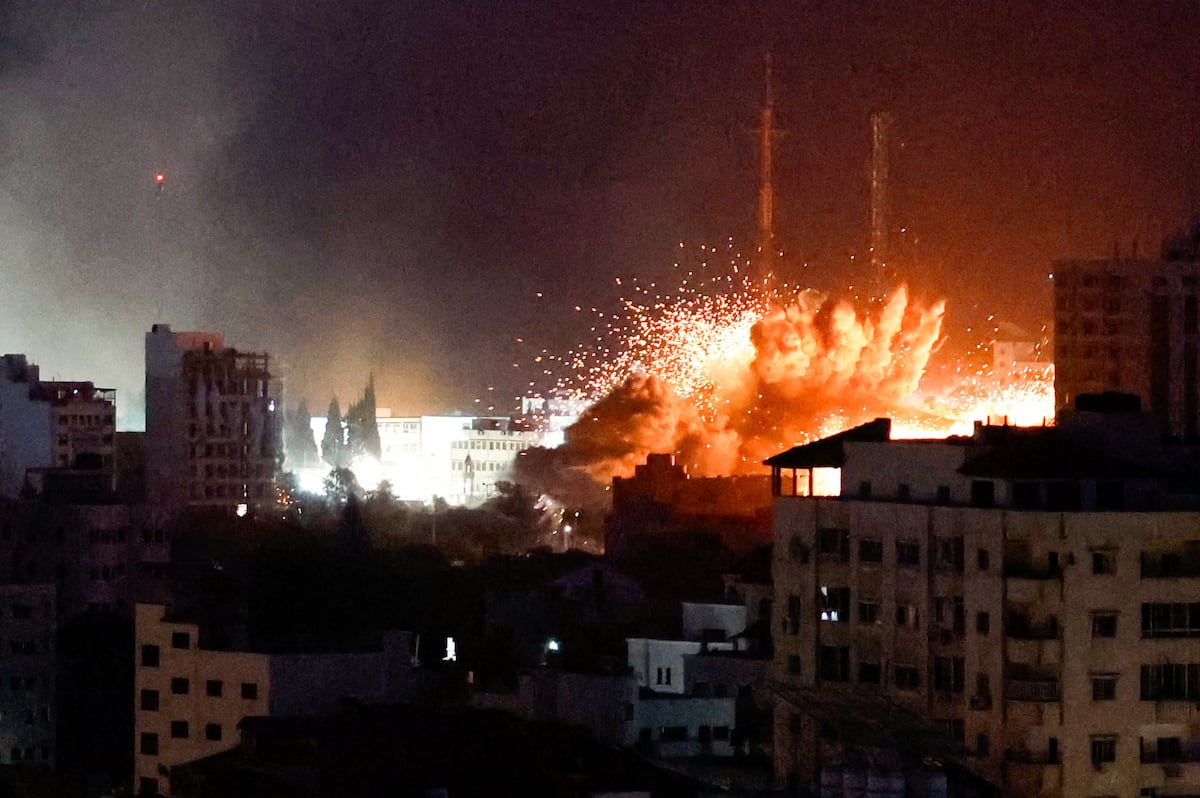
Middle East Reconfigured: Russia and China's Key Decisions
The geopolitical landscape of the Middle East is in a perpetual state of flux, a region where ancient rivalries intertwine with modern power plays. Recent developments, particularly those concerning Iran, have once again accelerated this dynamic reconfiguration, forcing global powers like Russia and China to confront critical strategic choices. The reverberations of an ongoing offensive in the region are not merely localized; they send tremors across international alliances and economic pathways, prompting intense scrutiny of all significant
Pentagon warnings regarding prolonged operations and potential regime shifts. Understanding the depth of these shifts requires a close look at how major players perceive and react to the latest turn of events, especially when considering the intricate layers of tension often highlighted in
analyses of Iran's future and its broad regional impact.
The Shifting Sands of the Middle East: A New Reality for Iran?
Recent pronouncements from the Pentagon have introduced a startling new dimension to the discussion surrounding Iran. The statement, "It is not a war of regime change, but the regime has changed," is profoundly ambiguous yet deeply significant. It suggests a fundamental alteration within Iran's internal power structure or its external behavior, regardless of whether it's a direct result of foreign intervention aimed at regime overthrow. This perspective implies that even without an overt declaration of war for regime change, the strategic reality on the ground might already reflect such a shift.
This nuanced warning points to the complexity of the situation. A "prolonged operation" in Iran, whether covert or overt, would undoubtedly destabilize an already volatile region. The implications for energy markets, international shipping lanes, and regional security alliances are enormous. If the regime has indeed "changed" – be it through internal upheaval, significant erosion of authority, or a strategic pivot – it demands a re-evaluation of long-held assumptions by all stakeholders. This re-evaluation is critical for understanding future
noticias israel irán and broader regional stability. Such internal transformations or external pressures could ignite a cascade of reactions, influencing everything from the nuclear deal's viability to the proxy conflicts stretching from Syria to Yemen.
Russia's Gambit: Navigating a New Regional Order
For Russia, the reconfigured Middle East presents both challenges and potential opportunities. Historically, Russia has sought to restore its influence in the region, particularly through its military presence in Syria, its energy ties, and its role as an arms supplier. A destabilized or altered Iran significantly impacts these interests.
*
Alliances and Influence: Iran has been a critical partner for Russia, especially in supporting the Assad regime in Syria. A change in Iran's internal dynamics could weaken this axis, forcing Russia to either recalibrate its strategy in Syria or seek new partners.
*
Energy Markets: Russia is a major global energy producer. Instability in Iran, a fellow OPEC member, could lead to significant fluctuations in oil and gas prices. While higher prices might benefit Russia in the short term, prolonged global economic instability is not in its long-term interest. Russia must decide whether to leverage potential market disruptions or work towards stabilization.
*
Geopolitical Stature: Russia often positions itself as a counterweight to Western influence. The unfolding situation in Iran tests Russia's ability to project power and maintain its preferred regional order. Its "key decision" revolves around how aggressively to defend its established interests and how to react to shifts that might favor its rivals or create new vacuums. Will it double down on its support for Iran, pivot to other regional actors, or seek to mediate?
Practical Insight: Observers should closely monitor Russia's diplomatic engagements with Gulf states and its military posture in the Levant. Any increase in military exercises or high-level visits could signal Russia's chosen path in response to the changing Iranian landscape.
China's Strategic Calculus: Economic Interests vs. Geopolitical Influence
China's approach to the Middle East is primarily driven by economic interests, particularly its insatiable demand for energy and its ambitious Belt and Road Initiative (BRI). The region is a vital corridor for trade and a significant source of crude oil. The prospect of a prolonged operation in Iran and a potentially altered regime introduces substantial risks to these core interests.
*
Energy Security: Iran is a crucial oil supplier for China, despite U.S. sanctions. Any significant disruption to Iranian oil production or exports would directly impact China's energy security and economic stability. China faces the decision of how to secure its energy supplies amidst potential regional turmoil – through diplomatic pressure, diversifying sources, or even considering more direct protective measures.
*
Belt and Road Initiative: The BRI relies on regional stability and predictable governance. Instability in Iran, a country positioned along key BRI routes, could jeopardize investments in infrastructure projects and disrupt supply chains. China's "key decision" here involves weighing the costs of protecting its investments against its traditional policy of non-interference in internal affairs.
*
Diplomatic Role: Historically, China has preferred economic engagement over direct geopolitical intervention in the Middle East. However, the magnitude of its economic stakes in the region may compel it to adopt a more assertive diplomatic role, perhaps as a mediator, to ensure stability and protect its assets.
Practical Insight: Businesses with investments along the BRI routes, particularly those passing through or near the Middle East, should assess their risk exposure to potential disruptions. For policymakers, observing China's voting patterns in international forums and its bilateral engagements with regional powers will offer clues to its evolving strategy. Will China maintain its non-interventionist stance, or will its economic imperatives push it towards a more active role in stabilizing the region?
The Regional Ripple Effect: Implications for Israel and Beyond
The potential reconfiguration in Iran and the consequent decisions by global powers like Russia and China have profound implications for other regional actors, most notably Israel. For years, the strategic rivalry between Israel and Iran has been a defining feature of Middle Eastern politics, characterized by proxy conflicts, covert operations, and intense geopolitical maneuvering.
If the Pentagon's assessment that "the regime has changed" holds true, the implications for Israel are multifaceted:
*
Security Calculus: A weakened or internally fractured Iran might reduce its capacity to support proxy groups like Hezbollah in Lebanon or various militias in Syria and Iraq. This could potentially ease some immediate security pressures on Israel. Conversely, a period of heightened internal instability in Iran could also lead to unpredictable actions or a desperate consolidation of power through external aggression, posing new risks.
*
Nuclear Ambitions: The status of Iran's nuclear program remains a top concern for Israel. A reconfigured Iranian leadership, or a prolonged international operation, could drastically alter the trajectory of this program. Israel would be keenly watching for any signals that might either accelerate or halt Iran's nuclear development.
*
Regional Alliances: The shifts in Iran could also influence existing and emerging alliances. For instance, the Abraham Accords saw several Arab nations normalize ties with Israel, largely driven by a shared concern over Iran. A new Iran might strengthen these alliances or, alternatively, shift regional priorities.
The ongoing flow of
noticias israel irán is critical for understanding how these dynamics play out. Every report, every diplomatic statement, and every military maneuver from either side must be analyzed within this broader context of regional reconfiguration and global power responses. The decisions made by Russia and China in this climate will undoubtedly shape the future security landscape for Israel and the entire Middle East.
Conclusion
The Middle East stands at a critical juncture, with recent developments surrounding Iran signaling a profound reconfiguration of its political and security landscape. The Pentagon's ambiguous yet potent warning about a "prolonged operation" and an already "changed" regime places Russia and China before truly key decisions. Russia must weigh its established alliances and geopolitical influence against regional instability and shifting power dynamics. China, on the other hand, faces the challenge of protecting its vast economic and energy interests in a volatile environment, potentially pushing it towards a more active diplomatic role. The intricate interplay of these global powers' choices, combined with the ongoing tensions evident in
news from Israel and Iran, will not only define the future of the region but also set the stage for a new chapter in international relations. As events unfold, the world watches to see how these pivotal decisions will ultimately reshape the Middle East.